Virtual tours are now a practical part of how UK hospitality businesses attract, qualify, and convert guests and planners. When built with hospitality outcomes in mind, 360° and Matterport virtual tours reduce uncertainty early in the booking journey, improve enquiry quality, and support faster, more confident booking decisions. The strongest results come from tours designed around how guests and event planners actually evaluate a space, not just how it looks.
The Shift in How Hospitality Is Evaluated
The way guests and event planners assess hospitality spaces has changed. Fewer people are willing to make decisions based purely on curated photography or written descriptions. Before committing, they want clarity. They want to understand how a space feels, how it flows, and whether it suits their specific needs.
This shift is driven by behaviour rather than technology. Guests research more thoroughly. Event planners often shortlist venues without visiting in person. Overseas bookers may never visit before arrival. In all cases, confidence becomes the deciding factor.
Virtual tours address this by allowing people to explore a space on their own terms. They can move through rooms, understand layouts, and build a mental picture of the experience before reaching out. For hospitality sales teams, this changes the nature of enquiries. Conversations start later in the decision process, when interest is clearer and intent is higher.
Why Photography Alone Is No Longer Enough
Professional photography remains essential, but it has limitations. Images are selective by nature. They show moments, angles, and details, but they rarely explain how spaces connect or how they feel to move through.
Guests often fill in the gaps themselves, sometimes inaccurately. This leads to mismatched expectations, unnecessary questions, and viewings that never convert.
Virtual tours reduce this friction. Instead of guessing, viewers can explore. Instead of relying on interpretation, they see the space as it is. This transparency builds trust, even if it occasionally filters out guests who realise a venue is not right for them. In hospitality, filtering early is rarely a negative outcome.

Virtual Tours as a Confidence-Building Tool
At their best, virtual tours are not a marketing gimmick. They are a confidence-building tool.
Guests who arrive at a booking page after viewing a tour tend to:
1. Ask more specific questions
2. Book with fewer hesitations
3. Feel reassured about their choice
For event planners, virtual tours act as a remote site visit. They provide enough information to determine suitability without immediately committing to an in-person visit. This saves time for both the planner and the venue, while keeping serious enquiries moving forward.
Virtual tours are most effective when they sit within a broader visual strategy.
Professional Hospitality Photography
Photography remains essential for:
Booking platforms
Website gallerie
Press and editorial use
In hospitality, photography should support the tour rather than compete with it. Strong imagery reinforces first impressions and draws people into the experience before they explore further.
3D Floor Plans and Layout Visuals
For event venues and larger properties, 3D floor plans provide immediate clarity. They help planners understand capacity, layout, and flow at a glance.
This reduces repetitive questions, shortens sales conversations, and allows planners to make informed decisions earlier.
Aerial Drone Photography and Video
Drone visuals add context that ground-level imagery cannot. They show where a property sits, how it is accessed, and what surrounds it.
This context matters. Guests want reassurance. Planners want certainty. Drone visuals help answer questions before they are asked, particularly for countryside venues, estates, resorts, and destination properties.
How Different Hospitality Sectors Use Virtual Tours
While the core technology is the same, how virtual tours are used varies across hospitality sectors. Each use case reflects different booking behaviours, decision timelines, and levels of scrutiny.
Hotels and Resorts
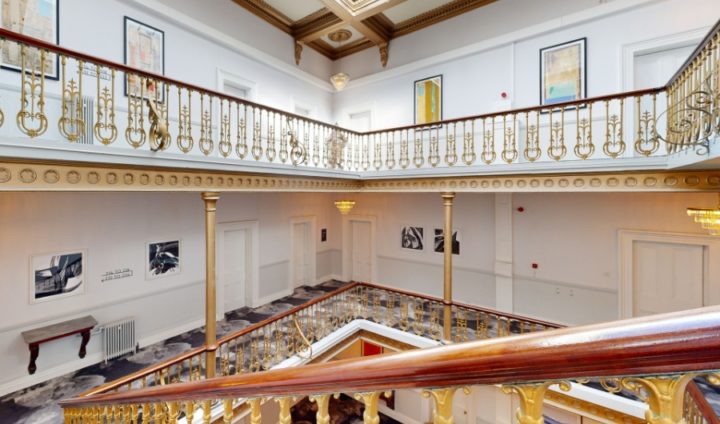
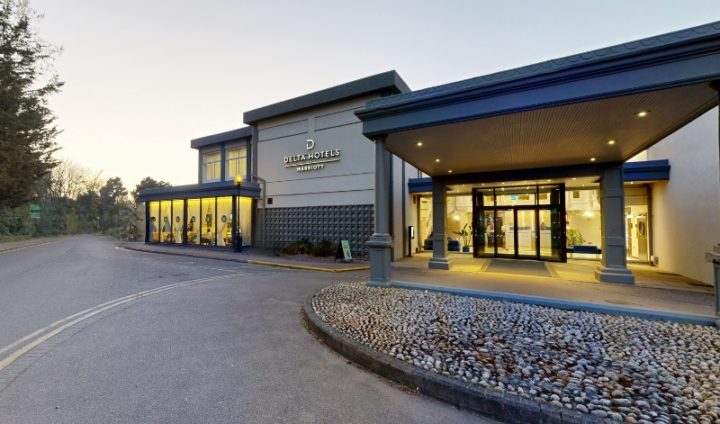
Hotels use virtual tours to help guests understand what they are booking before they commit. Clear room views reduce uncertainty around size, layout, and amenities, while tours of public spaces help set expectations around atmosphere and facilities.
Virtual tours also support direct booking strategies by giving guests enough confidence to book without relying solely on third-party platforms. Enquiries that follow tend to be more specific, with fewer basic questions and a clearer intent to book.
Event Venues and Wedding Locations
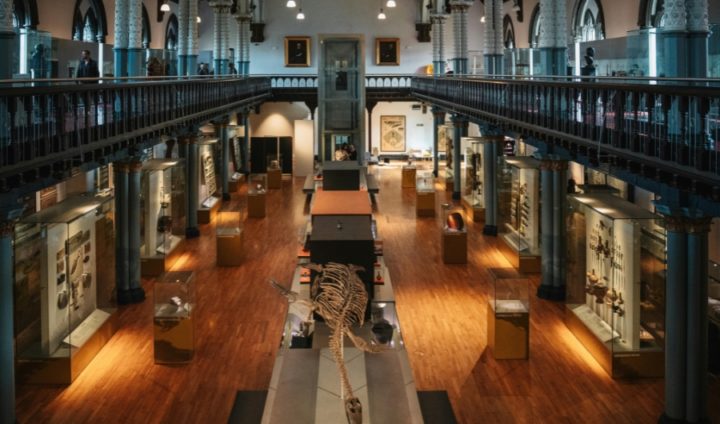
For venues, virtual tours function as a remote site visit. Clients use them to assess layout, flow, and suitability before making contact or arranging an in-person viewing.
This reduces unnecessary site visits and allows venue teams to focus on enquiries that are more likely to convert. It also helps event planners move faster, particularly when shortlisting multiple venues under time pressure.
Restaurants, Bars, and Cafés
Food and beverage spaces use virtual tours to communicate atmosphere as much as layout. Viewers can see how a space feels at different times of day, understand seating arrangements, and identify private or semi-private areas.
This is especially useful for group bookings, private dining enquiries, and event hire, where layout and ambience play a key role in decision-making.
Serviced Apartments, Aparthotels, and Student Accommodation
For long-stay and overseas guests, virtual tours reduce the uncertainty that often comes with booking remotely. Viewers can understand storage, facilities, and overall liveability before committing.
This clarity helps shorten decision timelines and reduces the need for extended back-and-forth communication, particularly for international bookers who may never view the property in person.
Why Hospitality Experience Matters More Than Technology
Most professional virtual tour providers use similar platforms. The difference is not the software itself, but how it is applied within a hospitality setting.
A hospitality-focused provider understands:
– How UK guests browse, compare, and shortlist properties
– How event planners assess layout, flow, and suitability remotely
– How booking decisions are made under time pressure
– The importance of GDPR, privacy, and secure data handlin
– The pace at which hospitality marketing and sales teams operate
This experience shapes how tours are created and used:
– Navigation is clear and intuitive
– Key spaces are prioritised based on booking impact
– The tour follows a logical flow that mirrors a real-world visit
– Tours are easy to embed, share, and use across sales and marketing
When hospitality experience guides the use of technology, virtual tours become more than a visual asset. They become a practical tool that supports clearer enquiries, smoother conversations, and more confident booking decisions.
Measuring the Impact of Virtual Tours
Hospitality businesses commonly report:
✅ Improved enquiry quality
✅ Fewer time-consuming viewings
✅ Increased confidence from overseas guests
✅ Stronger performance in direct booking channels
These outcomes are rarely instant, but they are consistent when tours are used correctly.
Choosing the Right Virtual Tour Partner
Virtual tours work best when they reflect how people actually decide whether a space is right for them. This applies across hotels, event venues, and coworking spaces, where layout, flow, and atmosphere all influence decisions before an enquiry is made.
A well-structured tour helps guests, planners, and workspace users understand a space clearly and early, reducing uncertainty on both sides. The key is working with a partner who understands how different spaces are evaluated, and what information matters most at the decision stage.
Venue View works with venues across the UK, creating virtual tours that are designed around real booking and membership behaviour. Tours are built to be clear, easy to navigate, and practical to use across websites and sales conversations.
When virtual tours are created with this understanding, they become more than a visual asset. They help filter enquiries and support more confident decisions.
Contact Venue View on [email protected] to find out more.