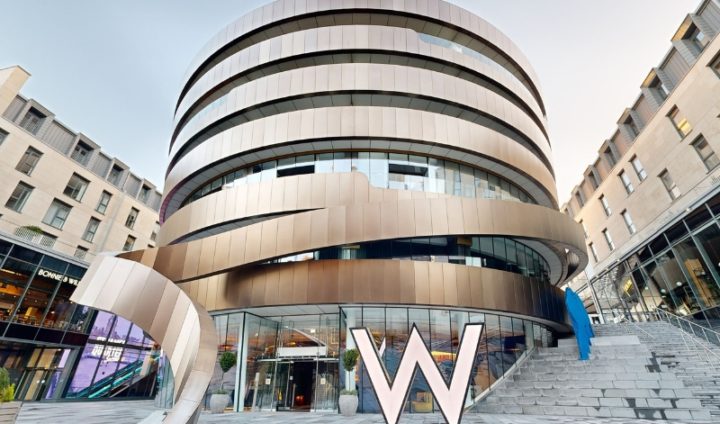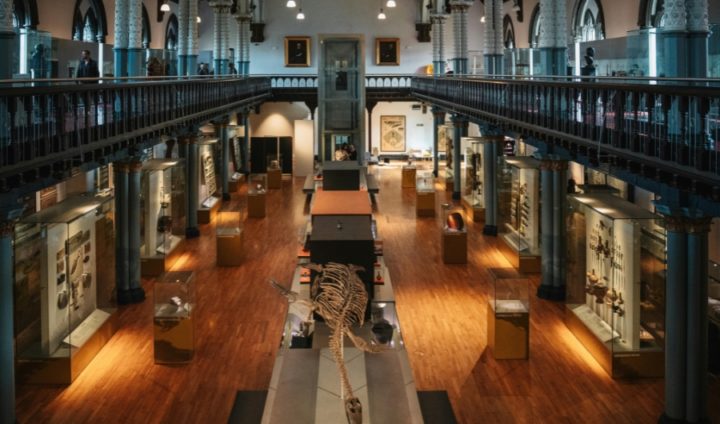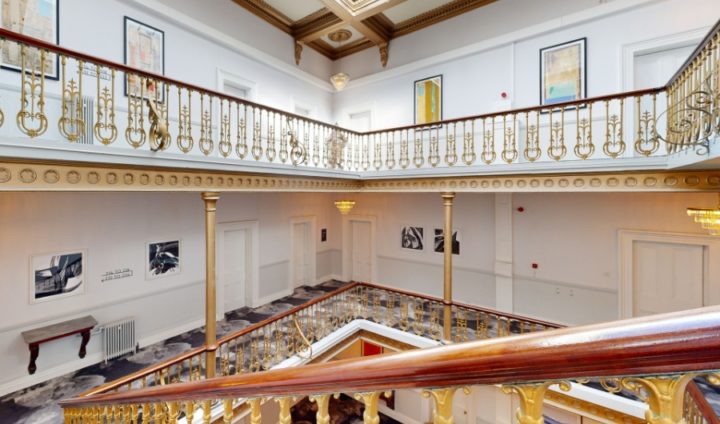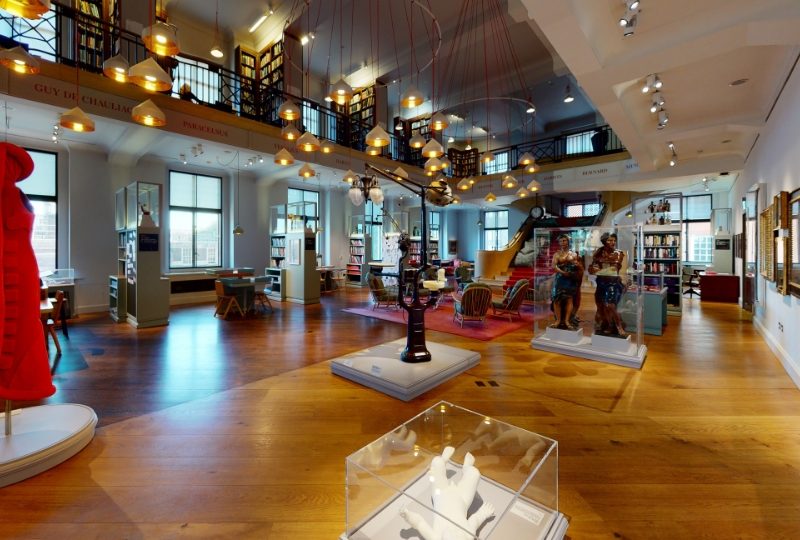
Museum virtual tours are no longer new. Most people working in museums or heritage venues have seen at least one example, and not all of them have been particularly useful.
What has changed is how they are now being used. Across the UK, museum virtual tours are moving away from being treated as digital showcases and towards being everyday working assets. They now sit alongside floorplans, site visits, and printed information as part of normal operations.
For museum managers, general managers, and venue owners, the real question is no longer whether virtual tours are worth having. It is whether they genuinely make life easier for staff, visitors, and commercial partners.
Lets looks at museum virtual tours in practical terms, focusing on how they are used, where they add value, and what separates a tour that earns its keep from one that is rarely opened.
What are museum virtual tours?
A museum virtual tour is an interactive digital walkthrough that allows people to explore a physical museum space remotely.
Most museum virtual tours combine 360-degree photography and 3D scanning to create a navigable experience. Viewers can move through rooms, look around freely, and often access additional context through clickable information points.
What makes a virtual tour genuinely useful is control. Instead of being guided through a fixed narrative, users decide where to go and what to focus on. That freedom is what turns a virtual tour from a marketing feature into a practical decision-support tool.
How museum virtual tours differ from online exhibitions
Museum virtual tours are often confused with online exhibitions, but they serve different purposes.
Online exhibitions are designed to explain stories, themes, or collections. They tend to be structured and content-led, guiding users through interpretation in a specific order.
Museum virtual tours are space-led. They focus on helping people understand:
- How rooms connect and flow into one another, especially in large or historic buildings
- The true size and proportions of galleries, halls, and event spaces
- Where entrances, exits, lifts, and facilities are actually located
- How the building works in real life rather than how it is described
For planners, teachers, and visitors making practical decisions, this spatial understanding is often more useful than detailed interpretation.
Why do museum virtual tours matter more now ?
Visitor expectations have shifted
People now expect to preview places before visiting, particularly when travel, group coordination, or access needs are involved.
Museum virtual tours help visitors answer practical questions early, such as:
- Does this feel manageable for the time we have?
- Can I picture myself navigating this space?
- Will this work for the people I’m bringing with me?
When those questions are answered clearly, people are far more likely to commit to a visit.
Museums increasingly operate as venues
Many UK museums now function as multi-use spaces, hosting conferences, weddings, receptions, and community events alongside exhibitions.
Virtual tours help communicate this reality far more clearly than written descriptions. They show how galleries are repurposed, how guests move between spaces, and how public and private areas relate to one another.
This is particularly valuable for historic buildings, where layouts are rarely intuitive and photos can be misleading.
Access and inclusion influence decisions
Virtual access is now part of how people decide whether to engage at all.
Museum virtual tours allow visitors to assess physical access, understand sensory environments, and plan routes through complex buildings. This preparation reduces anxiety and removes barriers that might otherwise stop people visiting.
The practical benefits of museum virtual tours
What visitors actually gain
For visitors, museum virtual tours are primarily about confidence rather than novelty.
They help visitors:
- Understand the scale and layout of a museum before arrival, making it easier to plan time and energy.
- Prepare around access needs by identifying lifts, stairs, quieter spaces, and rest areas in advance.
- Make informed decisions about whether a visit suits their group, whether that’s a family, a school class, or older visitors.
- Revisit spaces after attending, which supports learning and allows experiences to be shared with others.
For many people, this clarity is what turns interest into action.
How museums and venues benefit operationally
From an operational perspective, museum virtual tours often prove their value quietly rather than dramatically.
They support museums by:
- Reducing repetitive enquiries about layout, size, and flow, freeing staff time for more complex questions.
- Supporting venue hire discussions with a clear, consistent visual reference that all parties can see.
- Acting as a shared internal reference point for teams discussing exhibitions, events, or changes to the space.
- Supporting funding, governance, and stakeholder conversations by clearly showing how spaces are used and maintained.
- Helping new staff understand the building more quickly without relying on repeated walkarounds.
Over time, these small efficiencies add up.
Why event and wedding planners rely on them
Event planners and wedding coordinators are typically working under pressure and across multiple stakeholders.
Museum virtual tours help them:
- Shortlist venues quickly by understanding layout, atmosphere, and suitability without multiple site visits.
- Share accurate visuals with clients, committees, or suppliers who cannot attend viewings.
- Understand logistics early, including entrances, transitions between rooms, and proximity to facilities.
- Make decisions with fewer assumptions, which reduces last-minute issues.
For heritage venues, this clarity often makes the difference between confidence and hesitation.
Types of museum virtual tours used in the UK
360-degree museum tours
360-degree tours are built from linked panoramic images taken from fixed points within the space.
They are often used because:
- They show spaces clearly without requiring complex navigation.
- They work well for smaller museums or individual galleries.
- They are easy to embed on websites and share with schools or partners.
- They can be produced relatively quickly and updated easily.
For museums new to virtual access, this format is often a sensible starting point.
Fully navigable 3D museum tours
3D museum tours create a digital model that reflects the building accurately in scale and proportion.
They are particularly useful because:
- Users can move naturally through the space, improving spatial understanding.
- Distances, sightlines, and room relationships are easy to grasp.
- They support event planning and commercial discussions more effectively than static images.
- They work well for larger, multi-room, or multi-use venues.
Guided and hybrid experiences
Guided virtual tours add structure through audio, video, or curated pathways.
They are often used where:
- Education and learning outcomes matter.
- A specific story or theme needs emphasis.
- Temporary exhibitions need to be documented.
Some museums combine virtual tours with physical visits, using them for pre-visit orientation, post-visit learning, or staff training. In these cases, the tour becomes part of everyday operations rather than a marketing feature.
How UK museums are using virtual tours in practice
In commercial contexts, virtual tours are often used early in venue hire conversations. They allow teams to show spaces without immediately scheduling visits and help remote decision-makers engage confidently.
In education, they are used to prepare students, support learning when travel isn’t possible, and reuse content across programmes.
They also support accessibility by enabling audiences with mobility challenges, neurodiverse visitors, or those based further afield to explore spaces in advance and engage at their own pace.
Internally, teams use virtual tours for onboarding, exhibition planning, and coordinating contractors, reducing miscommunication and saving time.
They can also assist fundraising efforts by helping trustees, grant bodies, and donors visualise spaces, understand redevelopment needs, and see the impact of previous investment without requiring an in-person visit.
Best practices for museum virtual tours
The most effective museum virtual tours are built around real questions rather than technology.
They focus on:
- Clearly showing how big spaces are and how people move through them.
- Providing just enough interpretation to support understanding without overwhelming users.
- Working well on mobile devices, where many users will view them.
- Being treated as living assets that are updated and reused rather than launched and forgotten.
For museums that want virtual tours to function as everyday working tools, rather than short-term digital features, it can be useful to explore providers like Venue View, who focus on practical, reusable virtual tours and immersive content for cultural and hospitality spaces.
Museum virtual tours and social media
Virtual tours support social media rather than replacing it.
Museums often use them to:
- Create short clips or highlights from within the tour.
- Showcase specific rooms or views tied to campaigns like Museum Week.
- Provide depth behind posts for people who want more detail.
Sharing sections of a tour is often more effective than pushing the entire experience.
Measuring success without over complication
You don’t need complex analytics to judge success.
If staff refer to the tour, if planners mention it in conversations, and if basic enquiries reduce, the tour is doing its job.
Frequently asked questions about museum virtual tours
What is a museum virtual tour?
An interactive digital walkthrough that allows people to explore museum spaces remotely using 360-degree or 3D technology.
Do museum virtual tours replace in-person visits?
No. They support planning and confidence and often encourage visits.
Are museum virtual tours useful for venue hire?
Yes. They are widely used by event planners and wedding coordinators to assess suitability before site visits.
How long does it take to create a museum virtual tour?
Anywhere from a few days to a few weeks, depending on the size and complexity of the space.
Museum virtual tours are no longer about novelty or keeping pace with digital trends. For UK museums and heritage venues, they have become practical tools for clarity, access, and better decisions.
When designed around how spaces are actually used, they support visitors, staff, and commercial partners without adding complexity. For many venues, exploring how a virtual tour fits into existing operations is simply a sensible next step rather than a bold leap.