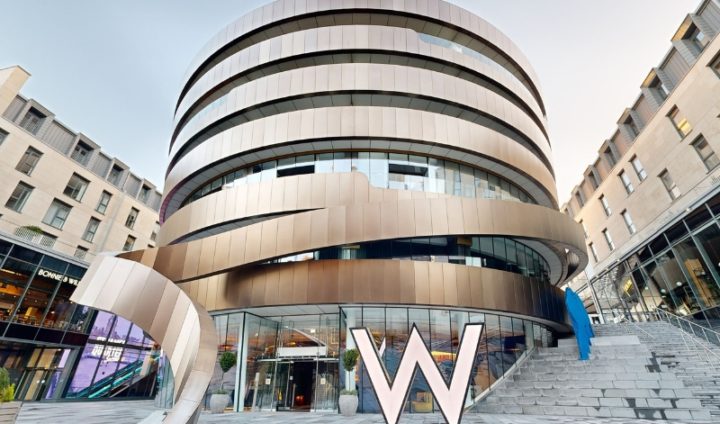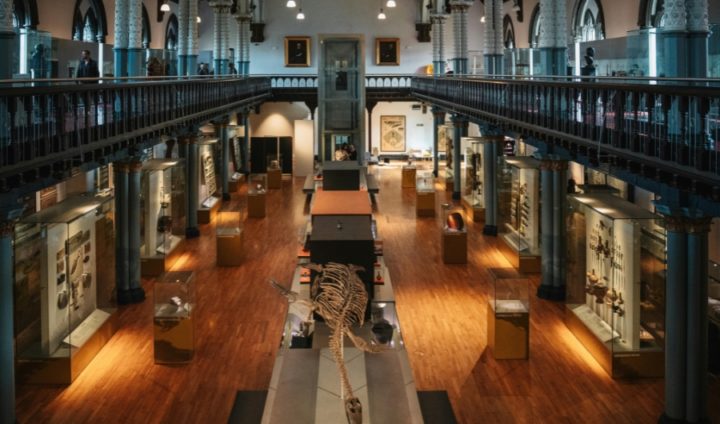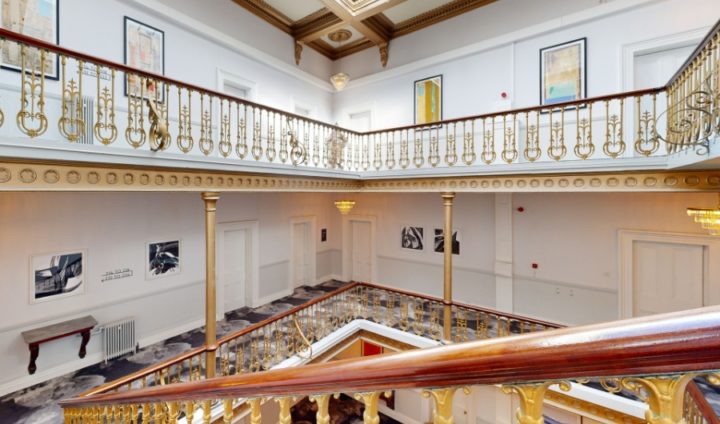
Choosing a virtual tour company for a hotel or venue is less about technology and more about clarity. The right tour should help guests and event planners understand the layout, flow, and suitability of the space before making contact. For larger or more complex venues, 3D virtual tours often provide a clearer picture than basic 360° tours. You do not need to compare equipment or ask endless technical questions. Focus instead on ease of navigation, accuracy, relevant experience, and whether the tour will remain useful over time.
How to Choose the Right Virtual Tour Company for Hotels and Venues
Searching for a virtual tour company usually starts with a simple goal. You want people to understand your space before they arrive.
For hotels and venues, that understanding plays a direct role in enquiries, bookings, and the quality of conversations that follow. A good virtual tour helps guests, planners, and organisers picture how a space works for their needs. A poor one creates confusion or false expectations.
The challenge is that many virtual tour companies look similar on the surface. Similar websites, similar language, and similar example links. This article explains what a virtual tour company actually provides, what matters most for hospitality and venues, and how to make a confident choice without getting lost in technical detail.
What a Virtual Tour Company Really Provides
At its core, a virtual tour company creates an interactive digital representation of a physical space. For hotels and venues, this is not just about visuals. It is about clarity.
A professional virtual tour company typically handles:
- Capturing the space accurately
- Presenting rooms in a logical order
- Hosting the tour so it works reliably across devices
- Delivering a finished tour that can be shared, embedded, and reused
Some companies focus purely on capture. Others take a broader role, advising on how the tour should be structured based on how people actually explore venues online.
For most hotels and venues, the second approach tends to be more useful.
The Main Types of Virtual Tours You Will Encounter
Not all virtual tours are built the same way. Understanding the differences helps you judge whether a company’s offering matches your needs.
360° Virtual Tours
360° virtual tours are made up of linked panoramic images. Viewers click between fixed points to explore a space.
They are often used for:
- Small hospitality spaces
- Simple interiors
- Situations where a quick visual overview is enough
For straightforward layouts, they can work well. However, in larger venues or multi-room properties, they can feel fragmented. Viewers see individual rooms, but may struggle to understand how those rooms connect.
3D Virtual Tours
3D virtual tours create a spatially accurate digital model of a property. Viewers move through the space in a more natural way and can better understand layout, scale, and flow.
This format is commonly used for:
- Hotels and resorts
- Event venues and conference spaces
- Large commercial interiors
Because people can see how spaces relate to one another, 3D tours are particularly effective for planners comparing venues or guests assessing suitability before booking.
Many virtual tour companies use platforms such as Matterport for this type of work, as it allows both visual exploration and accurate spatial representation.
Google Business Profile 360 Tours
These tours appear within Google Search and Maps listings. Their role is visibility and reassurance rather than deep exploration.
They are useful for:
- Helping people recognise your business
- Showing that the space is real and active
- Supporting local search presence
They are best seen as a supporting asset, not a replacement for a full virtual tour on your own website.
What Matters Most for Hotels and Venues
When evaluating a virtual tour company, it is easy to focus on equipment, features, or technical specifications. In practice, most venues benefit more from getting a few fundamentals right.
Does the Tour Help People Understand the Space?
For hotels and venues, visitors are rarely just browsing. They are making decisions.
A good tour should make it easy to understand:
- How rooms connect
- Where key spaces are located
- How the venue flows during real use
If a tour looks impressive but leaves people unsure how the space actually works, it is not doing its job.
Is the Tour Easy to Navigate?
Navigation matters more than visual effects. Viewers should not need instructions to move around.
Clear movement, logical room order, and intuitive controls all contribute to a better experience, especially for non-technical users.
Does the Tour Reflect the Real Experience?
Accuracy builds trust. Lighting, proportions, and layout should match what people will experience in person.
Overly edited or misleading tours may attract attention initially, but they often lead to mismatched expectations later.
Experience Counts More Than Tools
Most people searching for a virtual tour company do not need to compare camera models or software versions. What matters is how well the provider understands your type of space.
A company that regularly works with hotels and venues is more likely to:
- Capture rooms in the right sequence
- Anticipate how planners explore spaces
- Highlight areas that influence bookings
- Avoid common mistakes that confuse viewers
Looking at relevant examples is more useful than technical explanations. Focus on whether the tours you are shown feel clear, natural, and easy to follow.
Preparing for a Virtual Tour
A virtual tour captures everything, so preparation plays a big role in the final result.
Most virtual tour companies will advise on:
- Which spaces should be included
- Whether rooms should be staged or left empty
- Timing to avoid staff or guests appearing unintentionally
- Basic layout and lighting considerations
You do not need to manage every detail yourself, but a company that offers guidance here is usually thinking beyond simple capture.
Pricing: What to Expect
Virtual tour pricing varies widely depending on size, complexity, and format.
Costs are usually influenced by:
- Total area or number of scan points
- Type of tour being created
- Hosting duration
- Any additional features or updates
Rather than focusing on the lowest price, it is more useful to understand what is included and how long the tour will remain usable. A cheaper tour that needs replacing quickly can cost more in the long run.
After the Tour Is Delivered
After a virtual tour is delivered, its long-term usefulness depends on how easily it can be accessed, updated, and reused.
Most virtual tour companies will provide a hosted link that works across desktop and mobile devices. In many cases, the tour can also be embedded on your website or shared directly with potential guests and event planners.
Before moving forward, it helps to understand a few practical points:
- Hosting and access
How long the tour remains live, where it is hosted, and whether continued hosting is included.
- Updates and changes
Whether the tour can be updated if rooms change, layouts are adjusted, or spaces are refreshed.
- Reusability
How the tour can be shared across your website, venue listings, sales materials, and enquiry follow-ups.
- Support and maintenance
Who to contact if something needs adjusting or if technical issues arise.
For hotels and venues, a virtual tour is often a long-term asset rather than a one-off deliverable. Clear expectations around hosting, updates, and support help ensure it continues to add value well after the initial launch.
Making a Confident Choice
Choosing a virtual tour company does not need to involve deep technical comparisons or long lists of questions. For most hotels and venues, the decision comes down to whether the provider can clearly and accurately represent the space for the people viewing it online.
When reviewing potential providers, focus on a few practical indicators:
- Clarity of approach
The company should be able to explain how they capture and present spaces in simple terms, without relying on jargon.
- Relevant experience
Examples from hotels, venues, or similarly complex spaces are more useful than generic portfolios.
- Appropriate tour format
The recommended tour type should match the size, layout, and purpose of your space, not just the provider’s default offering.
- Ease of use
The finished tour should be intuitive to navigate for first-time visitors, across both desktop and mobile devices.
- Long-term usefulness
Consider whether the tour will still be useful if your space changes, or if it can be updated and reused across different channels.
A confident choice is usually one where the virtual tour company prioritises clarity and usability over features and technical complexity. If the tour helps viewers understand your space without explanation, it is doing its job.
Many virtual tour companies serve a wide range of industries. Some, like Venue View, focus specifically on hotels and event venues, working primarily with 3D tours to help planners and guests understand spaces before visiting.
Whichever provider you choose, the most important factor is not the platform or the features, but whether the tour genuinely helps people see and understand your space with confidence.